
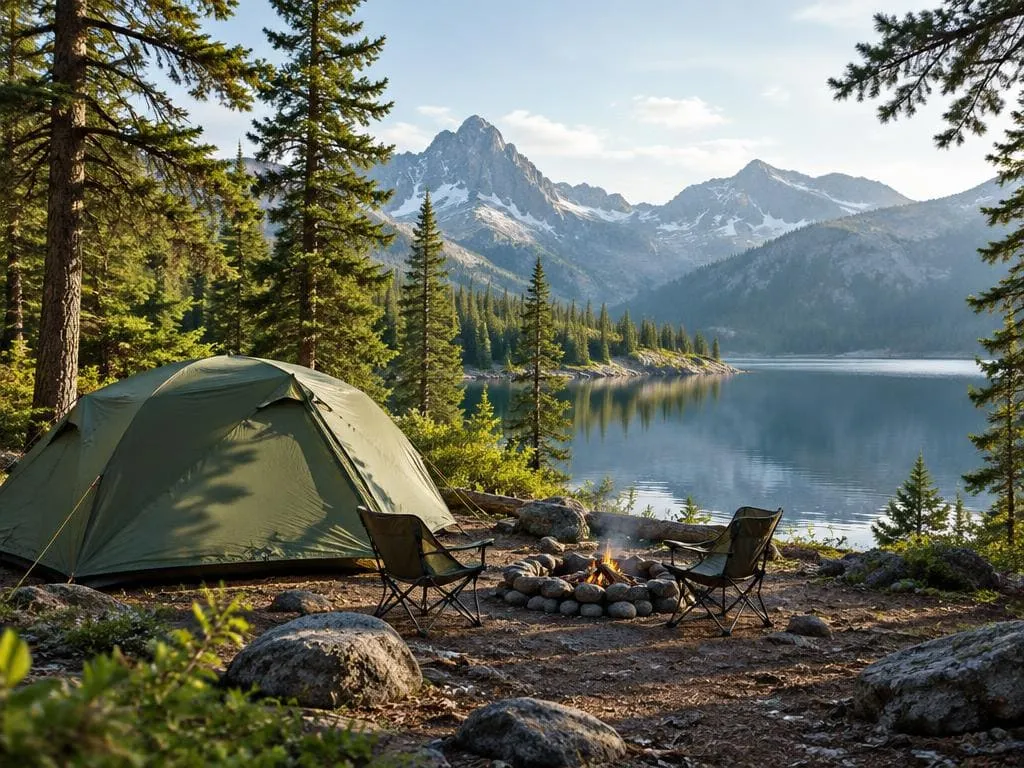
A good packing list lowers the stress of getting out the door. Start with the place you are going and the conditions you expect rather than buying a pile of gear. Check campsite rules, route information and the forecast close to departure; conditions can change quickly, and remote trips may call for extra preparation.
Shelter and sleep
- Tent or shelter suitable for the expected weather and group size.
- Groundsheet or footprint if recommended for your tent.
- Sleeping bag or quilt rated for the conditions, plus a sleeping pad.
- Small repair kit and a headlamp for setting up in low light.
Practice pitching your shelter before the trip. Confirm that stakes, poles and rain protection are packed together.
Clothing and personal essentials
Pack layers that can handle changing conditions: a base layer, insulating layer, weatherproof outer layer, suitable socks and comfortable footwear. Bring a change of dry clothes and store sleepwear in a waterproof bag. Add sun protection, insect protection appropriate to the destination, personal medication and basic toiletries.
Food and water
Bring enough drinking water for the route and stay, or know how you will safely treat water where you are going. Plan simple meals, snacks and a way to store food securely. If cooking outdoors, pack the permitted stove or equipment, fuel, utensils and a way to clean up while following campsite rules. Do not assume natural water is safe to drink untreated.
Safety and navigation
- First-aid kit suited to the group and trip.
- Charged phone, offline map or physical map, and a power bank where useful.
- Headlamp with spare batteries and a backup light source.
- Emergency contact plan and details of your route shared with someone reliable.
- Weather-appropriate layers and a way to signal for help where appropriate.
For hikes or remote camps, check local advisories, trail closures and communication coverage. Choose an itinerary that matches the least experienced person in the group.
At the campsite
Arrive with enough daylight to set up, keep food secure, respect quiet hours and leave the site as you found it. Follow local guidance for waste, wildlife and fires. Many places restrict open flames; use only designated areas and never leave a fire unattended.
Check the forecast, campsite rules and transport plan. A flexible itinerary and a short, realistic list are better than packing for every imaginable scenario.
Outdoor conditions vary by location and season. Follow official local safety notices and seek qualified advice for remote or technical trips.