Charcoal vs. gas: find your kind of fire
Compare start-up time, flavor, fuel, cleaning, and the amount of hands-on attention each grill asks from you.
01 / MAKE · THE BBQ EDIT
Backyard cooking should feel like an invitation, not a test. Find clear guides to grills, heat, smoke, and easy hosting—whether you are lighting your first kettle or finding a new favorite way to cook outdoors.
START WITH THE BASICS · BUYING GUIDE
Charcoal rewards a slower ritual and brings a distinctive smoky character. Gas gets hot quickly and makes weeknight cooking wonderfully straightforward. The best choice is the one that fits your space, time, and favorite meals.
Explore BBQ stories
COOK WITH CONFIDENCE
Compare start-up time, flavor, fuel, cleaning, and the amount of hands-on attention each grill asks from you.
Keep one side hot for a quick sear and the other cooler for gentle finishing. It is a flexible setup that helps avoid burnt edges and undercooked centers.
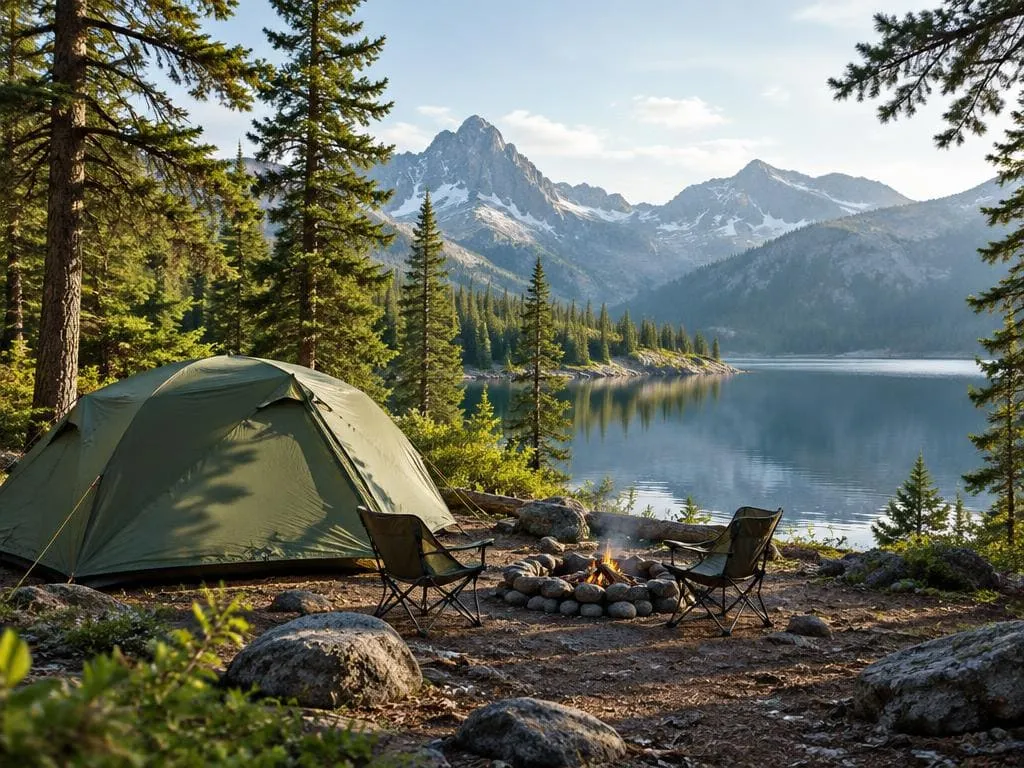
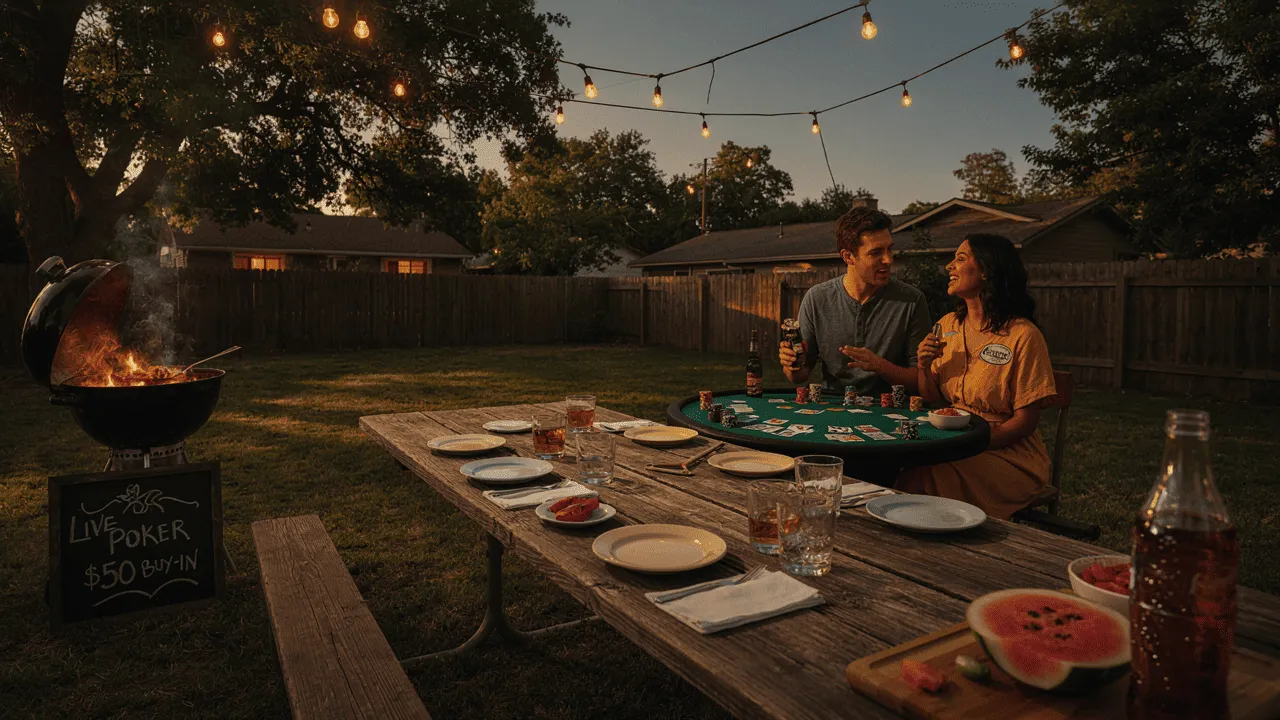
Make the gathering feel effortless with a short prep list, simple sides, and a cooking area arranged so the host can enjoy the conversation too.
THE GOOD-TIME FIELD NOTES
A memorable barbecue is less about owning every accessory and more about understanding heat. Start by giving yourself enough room to work, keeping a clean plate for cooked food, and placing the tools you use most within easy reach. A reliable instant-read thermometer and a sturdy pair of tongs can be more useful than a drawer full of gadgets.
Think about where the grill will live, how many people you usually cook for, and what you enjoy making. A compact charcoal kettle is a flexible, approachable option for direct grilling and occasional low-and-slow cooks. A gas grill is ready quickly and offers easy burner control. Pellet cookers are designed for steady, hands-off heat and a wood-fired flavor profile. Match the equipment to your habits rather than buying for a rare once-a-year feast.
Preheat the grill fully, clean and lightly oil the cooking grate, and let the food tell you when it is ready to turn. A little patience protects both the crust and the cook.
For an easy gathering, choose one main dish that can be cooked without constant attention, prepare sides ahead, and set out water and serving plates before lighting the grill. The best cookout gives you time to step away from the heat and enjoy the people around the table.