Gas grills have grown in popularity and are, in most cases, preferred over electric grills. Outdoor gas grills use propane or natural gas and deliver strong, direct-flame heat that makes them highly effective for everyday grilling.
If you're shopping for a new outdoor gas grill, burner count is one of the first decisions you'll face. It affects cooking area, fuel use, temperature control, and price — so it's worth understanding the tradeoffs before you buy.

3 Burner vs 4 Burner Grill: Head-to-Head Comparison
Here are the main points to weigh when choosing between a 3-burner and a 4-burner grill.
Total Cooking Area
More burners generally means more cooking space. A 4-burner grill offers a larger grilling surface than a 3-burner model, so the right choice comes down to how many people you typically cook for.
A 3-burner grill works well for medium-sized gatherings — think a backyard cookout with friends and family. It handles steaks, burgers, and side dishes comfortably.
A 4-burner grill is better suited to feeding a crowd, which makes it the stronger pick if you regularly host BBQ parties or just want the flexibility to cook larger batches without running out of space. If that's your use case, take a look at our budget-friendly gas grills under $300 for options that don't sacrifice cooking area.
How Much Food Will Fit?
Sizes vary within each category, but most 3-burner gas grills offer 300–550 sq in of cooking space, while most 4-burner models fall in the 550–700 sq in range.
| Grill Type | Cooking Area | Approx. Capacity |
|---|---|---|
| 3-Burner | ~550 sq in | 10 chicken pieces, 5 steaks, 10 hot dogs, 12 burgers |
| 4-Burner | ~700 sq in | 16 chicken pieces, 8 steaks, 12 hot dogs, 16 burgers |
Fuel Consumption

Fuel use is tied directly to a grill's BTU (British Thermal Unit) rating — the total heating power it can produce. A higher BTU rating means more heat, but also more fuel burned per hour.
A 4-burner grill typically has a higher overall BTU rating than a 3-burner gas grill, simply because each additional burner adds to the total. That said, a high BTU rating alone doesn't guarantee better cooking — even heat distribution and a solid temperature range often matter more than raw output.
Temperature Control
Both grill types let you set burners independently, but the flexibility differs. On a 3-burner grill, you might run two burners low and one high for searing — or reverse that setup for slower cooking.
A 4-burner grill gives you finer control, letting you dial in two, three, or four independent zones. This matters most if you regularly cook dishes that need precise, separate temperatures at the same time.
Budget: How Much Do You Want to Spend?
3-burner grills are generally cheaper, mainly because they offer less cooking space and fewer features than 4-burner models. If a 3-burner's capacity covers your needs, it's the more cost-effective choice. If extra cooking area and added features matter more to you, a 4-burner grill is worth the higher price tag.
Direct vs Indirect Cooking: Which Is Better?
Direct cooking (grilling) places the heat source right beneath the food — ideal for fast-cooking items like chops, hamburgers, and steaks that finish in 15–20 minutes. A 3-burner gas grill handles this style easily.
Indirect cooking relies on convection heat from surrounding burners rather than direct flame, and typically takes longer. A 4-burner grill's extra burners produce more consistent convective heat, which speeds up this style of cooking.
What Is the Best 3-Burner and 4-Burner Grill?
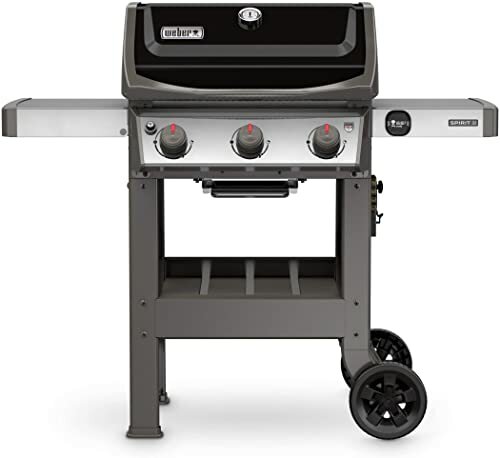
The right model depends on your needs, but for a solid all-around 3-burner gas grill, the Weber Spirit II E-310 is a strong pick — it heats up quickly, distributes heat evenly, and is straightforward to assemble. For our full breakdown of top picks in this category, see our best 3-burner gas grill guide.
For a 4-burner gas grill, the Char-Broil Performance 4-Burner is easy to use, quick to set up, and simple to clean — a solid choice if you need the extra cooking area.
Which Type of BBQ Burner Is Best?
Look for cast stainless steel burners where possible. They resist rust better than standard stainless steel, and their added thickness helps distribute heat more evenly while lasting longer.
In Summary
The final call between a 3-burner and 4-burner gas grill comes down to your own cooking habits. As a rule of thumb: 3-burner grills cost less, while 4-burner grills give you more cooking space and flexibility. Whichever you choose, also weigh fuel type — natural gas tends to run cheaper and cleaner than propane — and build quality, since durability matters over years of use.
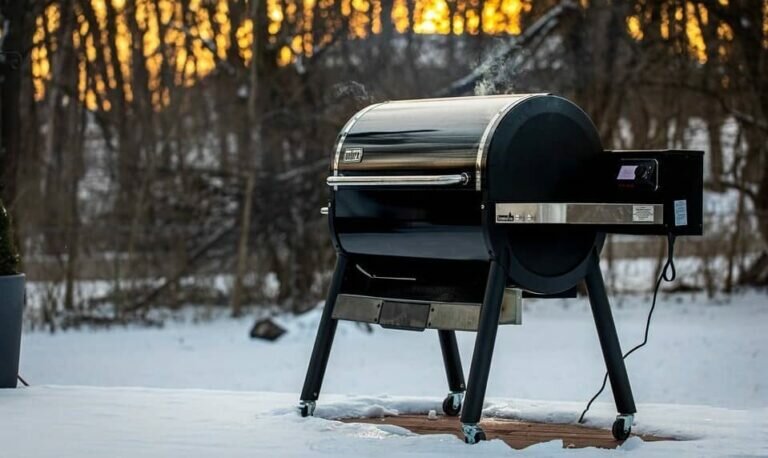
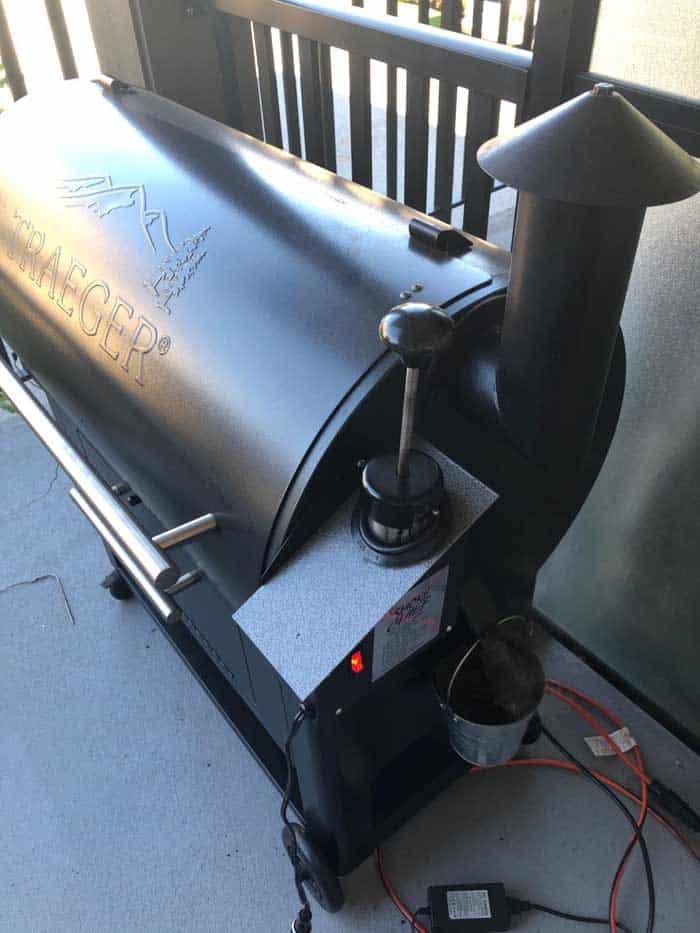
Not sure a gas grill is right for you at all? Our smoker-grill combo guide and pellet grill roundup cover two popular alternatives worth considering before you buy.
More Grill Buying Guides
View All Guides →